Chapter Fourteen
Teaching the Glass Patience
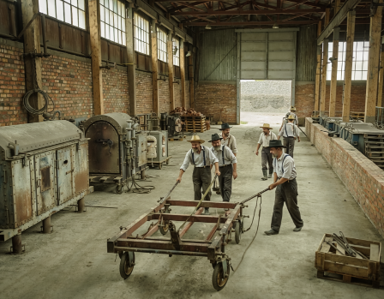
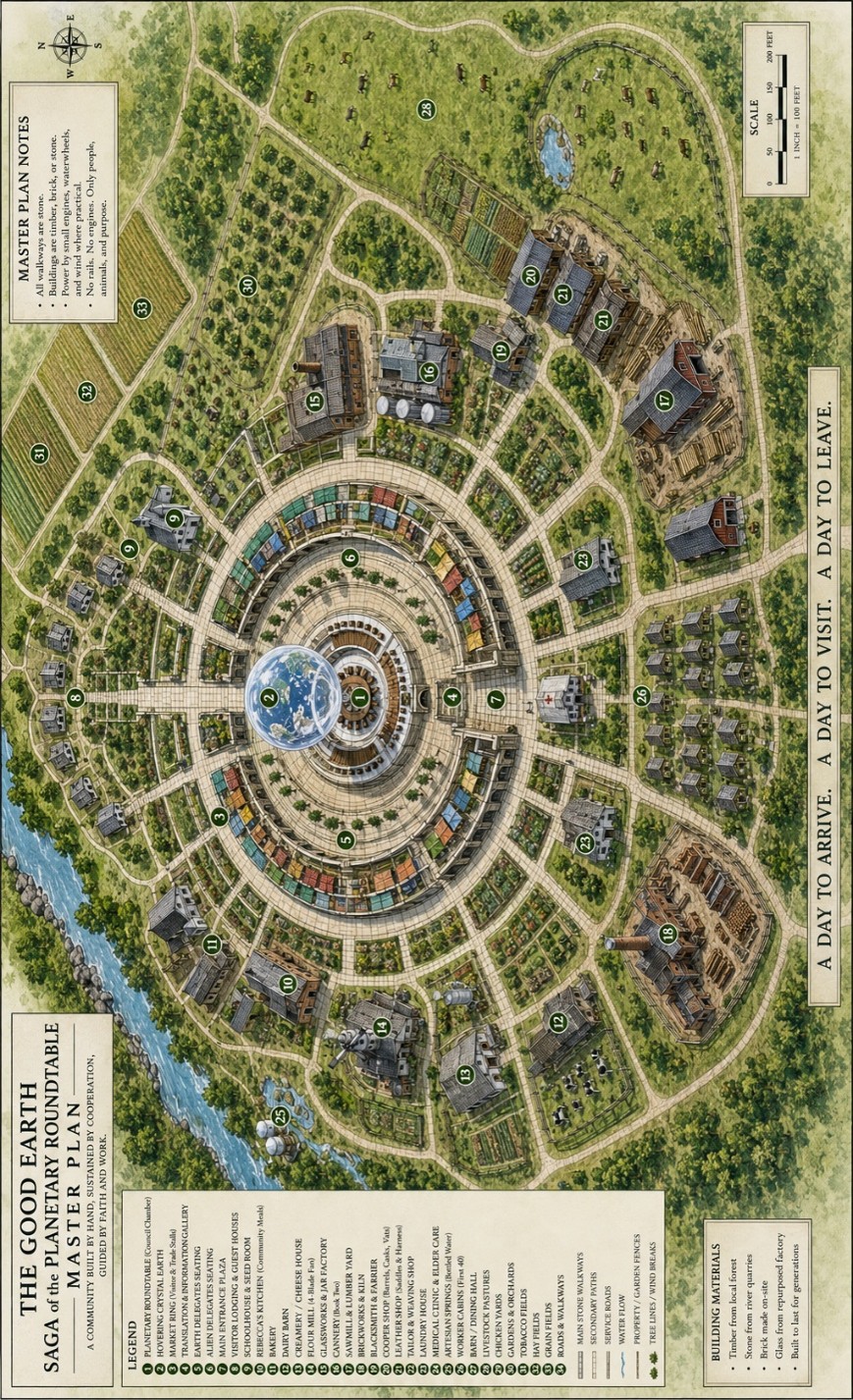
Samuel found Jake standing beside the cleared ground chosen for the glassworks.
The site sat close enough to the settlement for workers to reach it easily, but far enough from the cabins that heat, smoke, and noise would not trouble sleeping families.
Jake held a stick in one hand and had already drawn lines in the dirt.
Samuel smiled.
"I see you've been building."
Jake looked down at the marks.
"Only in my head."
"That's where every building starts."
Jake pointed with the stick.
"Furnaces here."
He drew a long rectangle.
"Annealing oven there."
Another mark.
"Work benches along this side."
He turned.
"Storage for sand, limestone, and soda ash over there once we find a steady supply."
Samuel studied the layout.
"And the jars?"
Jake smiled.
"The jars come last."
"I thought jars were the reason we're building it."
"They are," Jake said. "But glass doesn't begin as a jar. It begins as a mixture, then fire, then skill, then patience."
By midmorning, Frank Cooper's carpenters were framing sheds and work tables while Jacob Yoder's masons began laying firebrick for the first furnace.
Jake moved between them with quiet intensity.
"No, not that brick."
The mason stopped.
Jake touched the brick with his thumb.
"That one has a crack through it. It will fail when the heat comes."
Jacob Yoder stepped over, pipe tucked into the corner of his mouth.
"You know bricks?"
Jake smiled.
"I know what heat does to them."
Jacob studied the cracked brick.
Then nodded.
"Fair enough."
A young mason looked amused.
Jacob turned toward him.
"Don't smile too wide. The glassmaker just saved us rebuilding that wall."
The young man immediately sobered.
Near the temporary glass shop, Jake gathered his first apprentices.
Four teenage boys.
Two young women.
One older man who had once worked in a pottery kiln.
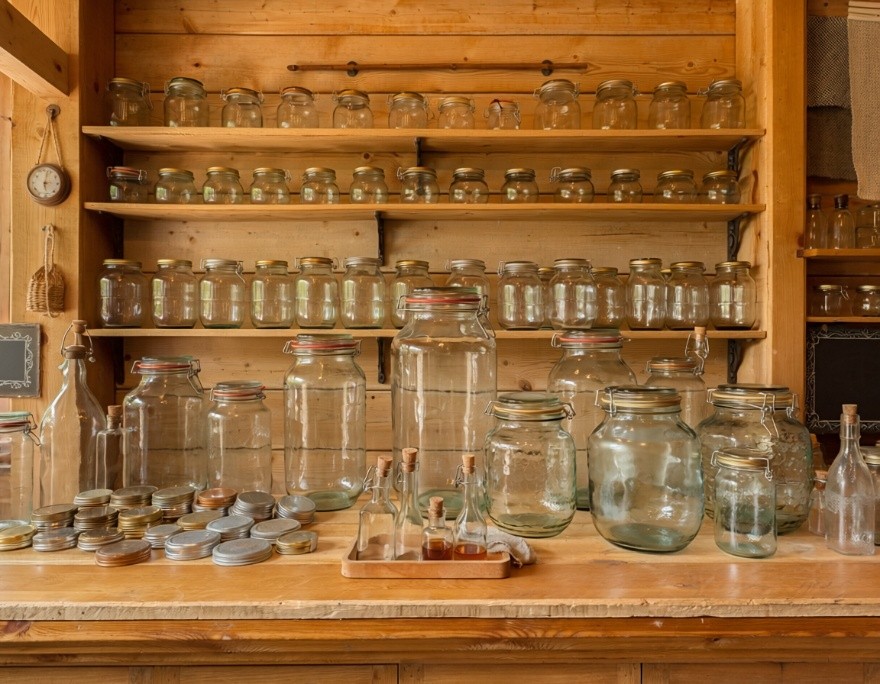
Jake set a clear jar on the table in front of them.
"This is what everyone thinks we make."
He placed beside it a pane of window glass.
"This is what they know they need."
Then he laid down a simple lantern chimney.
"This is what they'll ask for once the evenings grow busy."
He paused.
"But before we make any of these, you need to learn what glass is."
One boy answered eagerly.
"Sand."
Jake smiled.
"That's what glass was before it changed its mind."
The apprentices laughed.
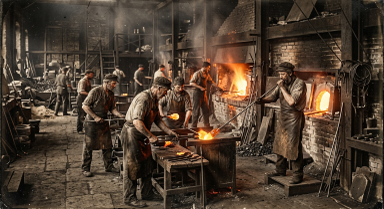
Jake picked up a handful of fine silica sand and let it run through his fingers.
"Sand alone will melt, but not kindly. Soda ash helps lower the melting heat. Limestone gives strength. Too much of one, too little of another, and the glass will punish you."
The girl nearest him asked,
"Punish how?"
Jake tapped the jar.
"It cracks. It clouds. It refuses the mold. It breaks after you trust it."
The apprentices grew quiet.
"Glass is honest," Jake said. "It tells you every mistake. Usually after you've made it."
For several days the glassworks rose slowly.
Not as a finished factory.
As a beginning.
Jacob's masons laid the furnace thicker than the young men expected.
Frank's carpenters built heavy tables and racks.
John Miller's loggers delivered dry wood cut to even lengths.
Buck Rogers marked every crate from the old factory and placed each mold where Jake could find it.
Elias sketched the arrangement of machines that would not be assembled until later.
Nothing was rushed.
Jake would not allow it.
When one apprentice asked why they weren't setting up the largest forming machine first, Jake walked him outside and pointed toward Rebecca's pantry.
"We have thousands of jars already."
The boy nodded.
"Then why build more?"
"Because someday those jars will be full."
He pointed toward the glassworks.
"And when that day comes, we don't want to be learning how to make the next one."
The first firing of the furnace drew nearly everyone.
Rebecca came from the kitchen.
Galileo came from the flour mill with white dust still on his sleeves.
Samuel stood beside Buck.
Even Amos walked over from the fields, hands still carrying the smell of soil.
Jake checked the draft one last time.
Then he lit the kindling.
At first, nothing seemed to happen.
Children whispered.
Smoke curled.
The fire caught slowly.
The furnace accepted it.
More wood was added.
The heat deepened.
The bricks darkened, then warmed, then began to hold a dull glow.
Hours passed.
People came and went.
Jake remained.
One apprentice finally asked,
"When will it be ready?"
Jake did not look away from the furnace.
"When the glass says so."
Late in the workday, Jake judged the heat sufficient for the first small batch.
The mixture had been measured carefully.
Sand.
Soda ash.
Limestone.
A small portion of clean broken glass from scraps and unusable shards, added to help the batch melt more evenly.
"Even broken glass can serve," Galileo observed.
Jake smiled.
"If it's clean."
He charged the crucible and closed the furnace.
Then everyone waited again.
That was the first lesson.
Glass took longer than curiosity.
When the batch finally glowed clear and thick, Jake lifted a blowpipe.
The room grew silent.
"This is not how we'll make every jar," he told the apprentices. "But this is how you learn respect."
He gathered a small glowing mass on the end of the pipe.
The molten glass turned slowly as he rolled it on the marveling table.
"Keep it moving."
He blew gently.
A small bubble formed.
"Too much air and it thins. Too little and it sulks."
The apprentices leaned closer.
Jake lowered the bubble into a simple mold.
He blew again.
The glass expanded.
The mold shaped it.
A rough jar emerged, glowing orange and imperfect.
One child whispered,
"It looks alive."
Jake nodded.
"For a little while, it is."
The jar was far from perfect.
The sides were slightly uneven.
The mouth needed finishing.
The base leaned just enough to make Buck notice.
Jake held it with tongs and inspected it.
One apprentice looked disappointed.
"It's crooked."
Jake grinned.
"So was the first brick."
Jacob Yoder puffed his pipe.
"I heard that."
The room laughed.
Jake carried the glowing jar toward the annealing oven.
The same apprentice asked,
"Is it finished?"
Jake shook his head.
"No."
He slid the jar carefully inside.
"Now we teach it patience."
Galileo folded his arms.
"That sounds familiar."
Jake closed the oven.
"Glass that cools too fast remembers the heat. Glass that remembers too much breaks."
Samuel looked toward the apprentices.
"People can be that way too."
Jake nodded.
"So can settlements."
The next morning, the apprentices gathered before Jake opened the annealing oven.
No one spoke.
Jake reached inside and lifted out the first jar made in the new glassworks.
It was not beautiful.
Not yet.
But it was whole.
He set it on the table.
The apprentices stared.
Rebecca picked it up carefully and turned it in her hands.
"It'll hold something."
Jake smiled.
"That is the highest compliment a jar can receive."
Buck leaned closer.
"It rocks a little."
Jake gave him a sideways look.
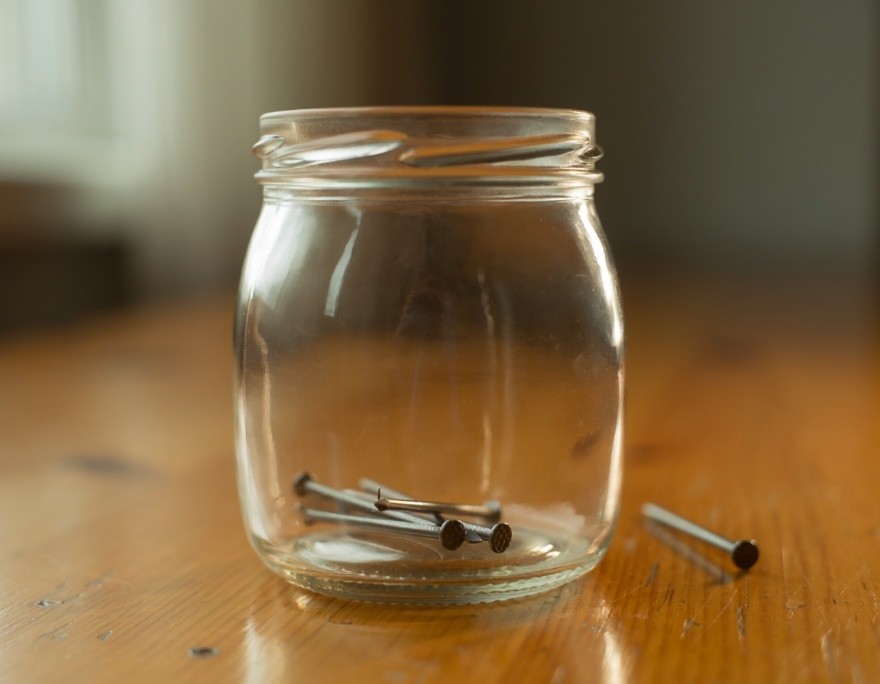
"Then we'll use it for nails."
Everyone laughed.
Samuel stepped forward.
"Yesterday we used jars the old world left behind."
He looked at the imperfect little vessel.
"Today we made one of our own."
That quieted the room.
Jake looked at the apprentices.
"You see this?"
They nodded.
"This is not the first good jar."
He smiled.
"This is the first lesson."
Outside, the settlement carried on.
The flour mill turned.
The dairy cows were being fed before milking.
The hogs rooted happily after their morning scraps.
Chickens scratched in the yard.
Housecats patrolled the grain bins with the dignity of silent professionals.
In the fields, thousands of tomato plants held their places in straight rows.
And in the new glassworks, a crooked jar sat on a wooden table, catching the filtered light.
It was not perfect.
But it had survived the fire.
That was enough for a beginning.
The Good Earth • Saga #1 of the Planetary Roundtable